
Filelinked APK Explained: the Popular Code Downloader for Files
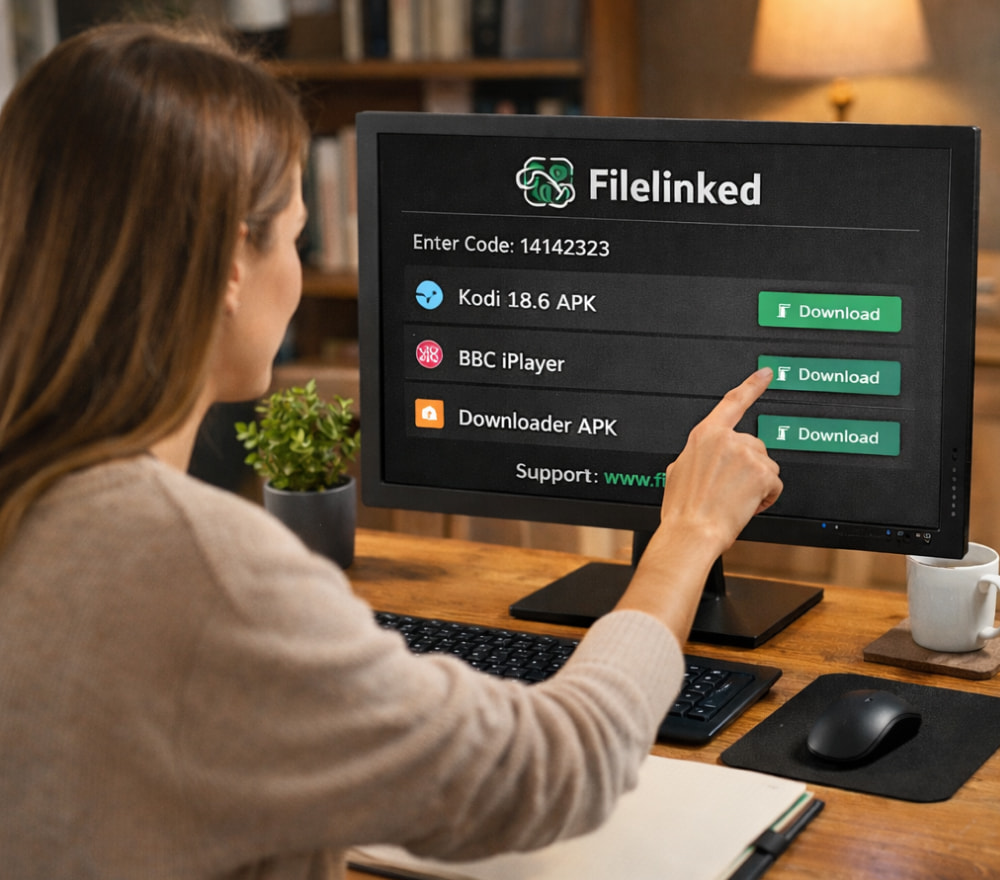
Install Filelinked App on Windows PC
Download NowFilelinked became popular because it made sharing Android app files and folders feel as quick as typing a short code. Even though the original service is no longer active, people still search for it to understand how it worked, what “Filelinked-style” tools do today, and how to sideload responsibly without risking malware or sketchy mirrors.
In this guide, you’ll learn the practical basics, common risks, safety checks that actually help, and modern alternatives that deliver the same convenience without the uncertainty that comes with outdated download pages.
What Filelinked Was (and What People Mean Now)
At its core, Filelinked acted like a code-based directory that could point to files hosted elsewhere. Many users once relied on the Filelinked APK to access curated lists of apps for streaming devices, test phones, or lightweight Android boxes.
For beginners, a Filelinked APK downloader was essentially a simple client that fetched packages tied to a code, which made distribution fast but also made trust and verification absolutely essential.
Rule of thumb: if you can’t confidently explain where an APK came from, you shouldn’t install it on a device you care about.
Why “Random APK Pages” Are Risky
Because the original ecosystem was code-driven and community-shared, the web quickly filled with copycat downloads and repackaged installers. That can lead to:
- Modified apps with injected ads, tracking, or hidden permissions
- Fake “updated” builds that install something different than promised
- Outdated versions with known security vulnerabilities
- Installer bundles that try to add extra apps you didn’t request
Before installing anything, treat any Filelinked APK download as untrusted until you verify its origin and do a few quick integrity checks.
Device Compatibility and Testing Options
Filelinked was mostly associated with Android-based devices, but the same sideloading workflow is often tested on desktops using emulation. If you test apps with emulators, running a Filelinked APK on Windows 10 was possible through Android virtualization tools, which helped users validate installs before touching a living-room device.
That said, emulation isn’t a perfect security sandbox malicious apps can still behave badly inside an emulator so you should still scan files and limit permissions.
Smart Safety Checklist for Any APK
If you’re evaluating an APK from a third-party source, use a repeatable routine instead of guessing. Here’s a practical checklist that works for Filelinked-style downloads and any sideloading scenario:
- Prefer our fan website.
- Scan the file. Use a reputable multi-engine scanner before installation.
- Review app permissions. Be skeptical if a simple utility asks for SMS, accessibility, device admin, or broad storage access.
- Watch for repackaging signs. Strange app names, mismatched icons, and “helper” installers are red flags.
- Install on a secondary device first. Avoid testing unknown APKs on your primary phone or a device with accounts logged in.
- Keep your OS updated. Older Android builds are easier to exploit.
Common Phrases You’ll See Online (and What They Usually Mean)
Search results and tutorials often repeat the same phrases, but the intent behind them can differ. When guides say to download Filelinked APK, double-check the site and scan the file, because many pages reuse the name while hosting unrelated packages. In older forums, the phrase Filelinked download APK often referred to mirror links rather than the original developer, so the burden of verification always fell on the user.
Alternatives That Replicate the “Code + Library” Experience
While Filelinked itself isn’t the destination it once was, the idea behind it is alive: quick access to a curated library, easy sharing, and fast installs. Consider alternatives that emphasize transparency, reputable hosting, and clear developer attribution.
- Direct developer releases: Many apps publish verified builds through their own sites or release pages.
- Trusted app stores: Official stores reduce repackaging risks and improve update reliability.
- File-sharing with checksums: If you share APKs privately, include hashes and version notes so recipients can verify integrity.
Quick Comparison Table
| Approach | Convenience | Safety | Best For |
|---|---|---|---|
| Official developer download | Medium | High | Everyday installs and updates |
| Major app store listing | High | High | Most users who want simplicity |
| Community mirrors and reposts | High | Low to Medium | Only when you can verify authenticity |
| Private sharing with hashes | Medium | Medium to High | Teams, testers, and trusted circles |
Download Claims vs. Reality
Even when a page claims Filelinked APK free to download, you should prioritize security checks and consider legit alternatives, because the label alone doesn’t prove authenticity.
If you’re just trying to recreate the old experience quick installs, tidy libraries, easy sharing modern options can get you there while keeping your device safer and your updates more reliable.
Final Tips for Responsible Sideloading
- Use a separate Google account for testing devices when possible.
- Avoid granting accessibility access unless you fully trust the app.
- Keep backups of important devices before experimenting.
- Prefer transparency: clear version numbers, changelogs, and reputable hosting.
With the right checks and a cautious workflow, you can still enjoy the convenience that made Filelinked famous without relying on uncertain downloads or outdated distribution chains.